

The Fascinating World of Mahjong
Mahjong, often referred to as "game800," is a captivating traditional Chinese game that has transcended cultural boundaries, gaining worldwide popularity. Its complexity and elegance have intrigued players across different continents, evolving into a beloved pastime and competitive pursuit. In this article, we delve into the intricacies of Mahjong, exploring its origins, gameplay, and the strategies that make it so engaging.
A Brief History of Mahjong
Mahjong's origins are shrouded in mystery, with various accounts tracing it back to the Qing dynasty in China. However, the game as we recognize it today began to take shape in the mid-19th century. Storytelling around the game's creation involves everything from royal intrigue to humble fishermen, making its history as diverse as the tiles themselves.
The game quickly spread through Asia, with regional variations appearing in Japan, Korea, and other neighboring countries. Each adaptation introduced subtle alterations, reflecting cultural nuances while preserving the core mechanics. By the early 20th century, Mahjong had captivated players globally, including a burgeoning community in the United States.
Mahjong Tiles and Equipment
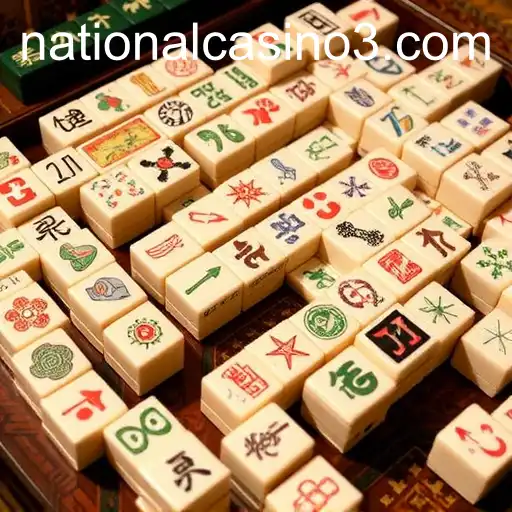
A typical Mahjong set consists of 136 to 144 tiles, depending on regional variations. The tiles are categorized into suits: Bamboo, Characters, and Circles. Additionally, there are honor tiles known as winds and dragons, along with season or flower tiles in some versions.
The artwork on Mahjong tiles is intricate, often reflecting various aspects of Chinese culture. Each tile is a blend of history and craftsmanship, with designs that exemplify a blend of tradition and artistry. The tactile experience of handling tiles adds an extra layer of enjoyment to the game.
Rules and Gameplay
Despite regional variations in rules, the fundamental objective of Mahjong remains unchanged—to build a winning hand by drawing and discarding tiles. The game is played in rounds, with each round consisting of 16 turns, divided into four hands. Each player begins with 13 tiles, and on their turn, they draw a new tile and discard one.
Players aim to create "melds" or sets of tiles, usually composed of a pung (three identical tiles), chow (three consecutive numbers of the same suit), or kong (four identical tiles). Alongside these, a pair, known as "eyes," completes the hand. A winning hand typically contains four melds and a pair.
The strategy in Mahjong is deep and multifaceted, combining elements of luck and skill. Players must decide which tiles to discard strategically, keeping an eye on opponents' discards and potential hand formations.
Mahjong as "Game800": A Cultural Phenomenon
As "game800," Mahjong holds a special place in both casual and competitive circles. Its popularity continues to rise, largely due to online platforms and apps that have brought Mahjong to a wider audience. These digital versions often incorporate beautiful graphics and engaging interfaces that mimic the feel of traditional play.
Global tournaments showcase the competitive aspect of Mahjong, with skilled players demonstrating remarkable concentration and strategic thinking. The World Mahjong Organization and other bodies host events that draw participants from every corner of the globe, cementing its status as a true international game.
The Social Aspect of Mahjong
Mahjong is not only about competition; it is also a social experience. The game has a way of bringing people together, creating bonds across generations. Family gatherings often revolve around Mahjong tables, where stories and laughter are shared along with the tiles.
This social dimension is not limited to family settings. Mahjong parlors and clubs are prevalent in many cities, providing places for enthusiasts to gather, play, and share strategies. In these venues, the game transcends its rules, becoming a medium through which friendships are formed and cultures are exchanged.
The Art of Strategy
Mahjong strategies vary greatly, with experienced players employing tactics that go beyond mere tile recognition. Effective play involves memory, intuition, and psychological insight, allowing players to anticipate opponents' moves and adapt their tactics accordingly.
Players often cultivate a "reading" of the game, discerning patterns from the discards and predicting future movements. Understanding probability and the flow of the game is crucial, as it can influence which tiles a player chooses to hold on to or discard.
Challenges and Learning Curves
While Mahjong is accessible to beginners, mastering it requires patience and experience. New players might find the initial learning curve steep, given the intricate rules and variety of tile types. However, with practice, the game becomes more intuitive, revealing layers of depth and strategy.
Many enthusiasts find joy in the learning process itself, relishing the game's nuances and the satisfaction of executing a well-planned strategy. The learning experience of Mahjong reflects its complexity, offering new insights and challenges every time the tiles are shuffled.
In conclusion, the world of Mahjong, affectionately known as "game800," is rich with history, cultural significance, and strategic potential. It is a game that continues to evolve, drawing in new generations while keeping seasoned players engaged. As a blend of art, skill, and social interaction, Mahjong remains an essential part of the gaming landscape.